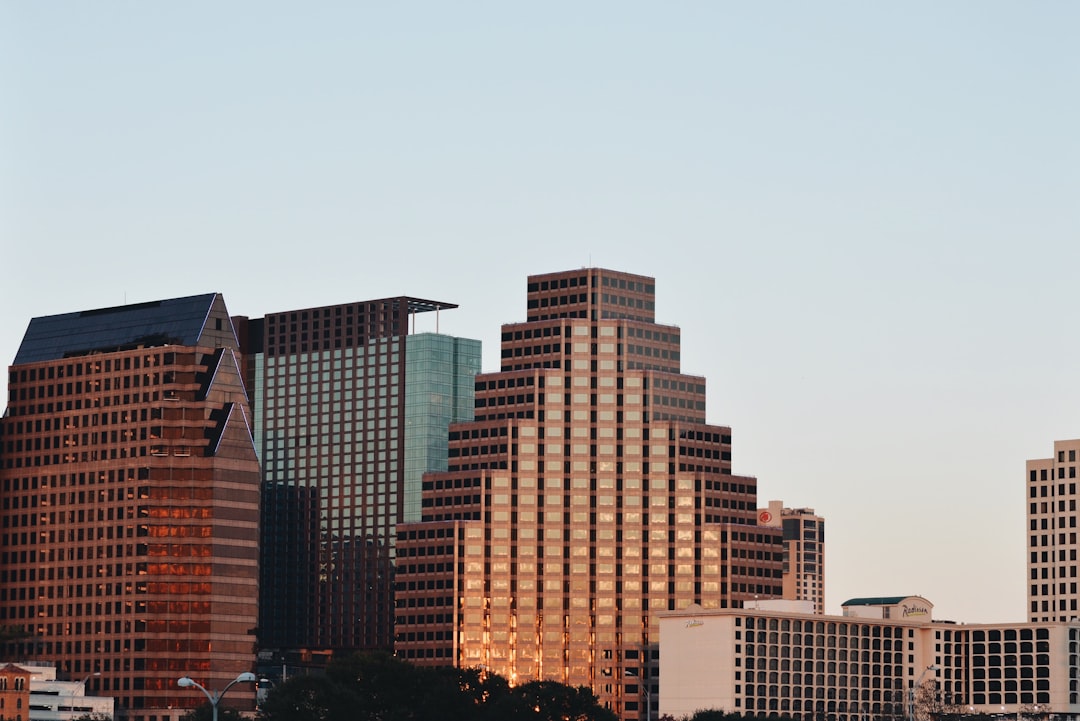
The commercial real estate market in Texas has emerged as a dynamic and robust sector, attracting investors from across the nation and beyond. With its diverse economy, favorable business climate, and population growth, Texas has become a magnet for commercial property investment. The state boasts a variety of commercial real estate types, including office buildings, retail spaces, industrial warehouses, and multifamily housing.
This diversity not only provides a wide array of investment opportunities but also reflects the economic vitality of the region. As businesses continue to expand and relocate to Texas, the demand for commercial properties is expected to remain strong. Key cities such as Houston, Dallas, Austin, and San Antonio are at the forefront of this commercial real estate boom.
Houston, known for its energy sector, has seen significant growth in office and industrial spaces. Dallas, with its thriving technology and finance sectors, offers a wealth of opportunities in both office and retail markets. Austin, often dubbed the “Silicon Hills,” is experiencing a surge in demand for tech-related commercial properties.
San Antonio, with its rich cultural heritage and growing population, presents unique opportunities in hospitality and multifamily housing. Together, these cities form a vibrant tapestry of commercial real estate potential that investors should consider.
Key Takeaways
- Texas has a thriving commercial real estate market with key cities and regions for investment including Houston, Dallas, and Austin.
- Current trends driving demand for commercial properties in Texas include population growth, job creation, and a strong economy.
- Investors in Texas commercial real estate have opportunities in sectors such as office, retail, industrial, and multifamily properties, with emerging trends in sustainable and green building.
- When investing in Texas commercial real estate, it’s important to consider factors such as market conditions, property location, and potential risks and challenges.
- The future of commercial real estate investment in Texas looks promising, with opportunities for growth and development in different regions and sectors, as well as a focus on sustainability and environmentally friendly properties.
Current Trends in Texas Commercial Real Estate
The Texas commercial real estate market is currently characterized by several key trends that are shaping its landscape. One notable trend is the increasing demand for flexible workspaces and co-working environments. As companies adapt to hybrid work models post-pandemic, there is a growing need for adaptable office spaces that can accommodate varying employee needs.
This shift has led to a rise in demand for properties that offer flexible leasing options and collaborative environments, making it an attractive sector for investors looking to capitalize on changing workplace dynamics. Another significant trend is the expansion of e-commerce and logistics facilities. The rise of online shopping has prompted retailers to seek out distribution centers and warehouses closer to urban areas to meet consumer demands for faster delivery times.
Texas, with its strategic location and extensive transportation infrastructure, is well-positioned to benefit from this trend. Investors are increasingly focusing on industrial properties that cater to logistics and distribution needs, recognizing the long-term potential of this sector as e-commerce continues to grow.
Opportunities for Investors in Texas Commercial Real Estate
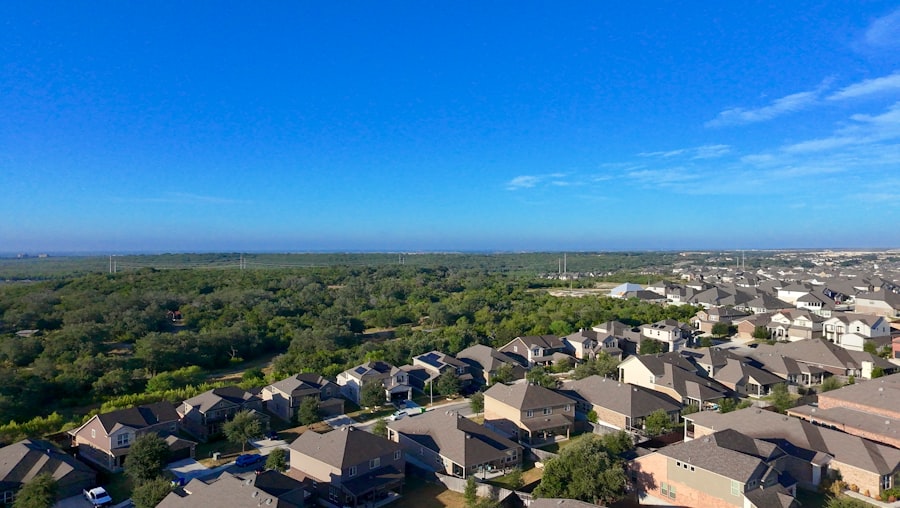
Investors in Texas commercial real estate have a wealth of opportunities across various sectors. The multifamily housing market remains particularly attractive due to the state’s population growth and increasing demand for rental properties. With more people relocating to Texas for job opportunities and a lower cost of living, investing in multifamily units can yield significant returns.
Additionally, urban areas are seeing a rise in mixed-use developments that combine residential, retail, and office spaces, providing investors with diversified income streams. Emerging trends also point to opportunities in the healthcare sector. As the population ages and healthcare needs increase, there is a growing demand for medical office buildings and healthcare facilities.
Investors can capitalize on this trend by targeting properties that cater to healthcare providers or by developing new facilities in areas with high demand. Furthermore, the rise of remote work has led to increased interest in suburban office spaces as companies seek to provide employees with more flexible work environments outside of crowded urban centers.
Key Considerations for Investing in Texas Commercial Real Estate
When considering an investment in Texas commercial real estate, several key factors must be taken into account. First and foremost is location; understanding the demographics and economic conditions of a specific area can significantly impact the success of an investment. Investors should conduct thorough market research to identify neighborhoods with strong growth potential, access to transportation, and proximity to amenities that attract tenants.
Additionally, investors must be aware of the challenges and risks associated with commercial real estate investments. Market fluctuations can affect property values and rental rates, making it essential to have a solid financial plan in place. Investors should also consider the potential for vacancies and the costs associated with property management.
Engaging with local real estate professionals can provide valuable insights into market conditions and help mitigate risks.
Legal and Regulatory Considerations for Commercial Real Estate Investors in Texas
Navigating the legal and regulatory landscape is crucial for anyone looking to invest in Texas commercial real estate. The state has a relatively business-friendly environment; however, investors must still comply with various laws and regulations governing property ownership and management. Zoning laws play a significant role in determining how properties can be used, so understanding local zoning ordinances is essential before making any investment decisions.
Additionally, investors should be aware of property tax regulations in Texas, which can vary significantly by county. Property taxes can impact overall investment returns, so it’s important to factor these costs into financial projections. Furthermore, environmental regulations may apply depending on the type of property being developed or purchased.
Conducting due diligence on these legal aspects can help investors avoid potential pitfalls down the road.
Financing Options for Commercial Real Estate Investments in Texas
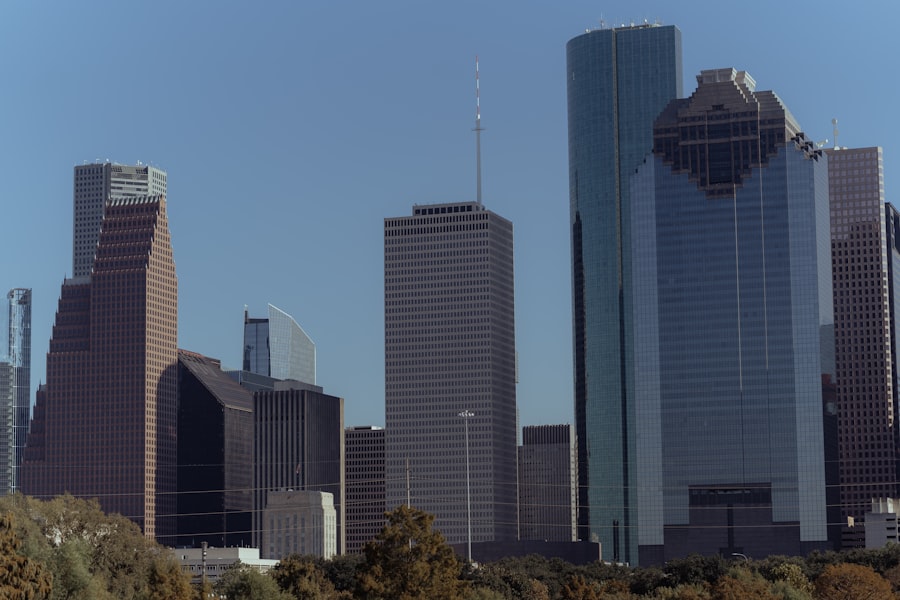
Financing options for commercial real estate investments in Texas are diverse and cater to various investor needs. Traditional bank loans remain a popular choice for many investors; however, alternative financing options such as private equity firms, crowdfunding platforms, and hard money lenders are gaining traction. Each financing option comes with its own set of advantages and disadvantages, so it’s crucial for investors to assess their financial situation and investment goals before choosing a path.
Securing financing can be competitive; therefore, having a well-prepared business plan is essential. Investors should present detailed financial projections, market analyses, and property evaluations to lenders or investors to demonstrate the viability of their projects. Building relationships with local banks or financial institutions that specialize in commercial real estate can also enhance an investor’s chances of securing favorable financing terms.
Commercial Real Estate Market Analysis for Different Texas Regions
The commercial real estate market varies significantly across different regions of Texas, each offering unique investment opportunities. In Houston, the energy sector continues to drive demand for office spaces and industrial properties. The city’s diverse economy also supports retail growth, particularly in areas experiencing population influxes.
Investors looking at Houston should focus on emerging neighborhoods that are undergoing revitalization or development. Dallas presents a different landscape with its booming technology sector driving demand for office spaces and mixed-use developments. The city’s strong job market attracts young professionals seeking urban living options close to work.
Investors should consider areas like the Dallas Design District or Deep Ellum, which are becoming increasingly popular among businesses and residents alike.
Emerging Trends in Texas Commercial Real Estate Development
Emerging trends in commercial real estate development in Texas reflect broader societal shifts and technological advancements. One notable trend is the rise of smart buildings equipped with advanced technology that enhances energy efficiency and tenant comfort. These buildings often feature integrated systems for lighting, heating, cooling, and security that appeal to environmentally conscious tenants and investors alike.
Another trend gaining traction is the development of mixed-use properties that combine residential living with retail and office spaces. This approach not only maximizes land use but also creates vibrant communities where residents can live, work, and play without needing extensive commutes. Investors who focus on these types of developments may find themselves well-positioned to capitalize on changing consumer preferences toward convenience and community-oriented living.
Impact of Economic and Demographic Trends on Texas Commercial Real Estate
Economic and demographic trends play a pivotal role in shaping the Texas commercial real estate market. The state’s robust economy continues to attract businesses from various sectors, leading to job creation and population growth.
However, demographic shifts also present challenges for investors. For instance, younger generations are increasingly prioritizing sustainability and walkability when choosing where to live and work. This trend necessitates that developers consider these factors when planning new projects or renovating existing properties.
Understanding these economic and demographic dynamics will enable investors to make informed decisions that align with market demands.
Sustainability and Green Building Trends in Texas Commercial Real Estate
Sustainability has become a significant focus within the Texas commercial real estate market as both investors and tenants increasingly prioritize environmentally friendly practices. Green building initiatives not only contribute positively to the environment but also enhance property values by attracting eco-conscious tenants willing to pay a premium for sustainable features. Investors have numerous opportunities within this growing sector; from retrofitting existing buildings with energy-efficient systems to developing new properties that meet LEED certification standards.
Properties designed with sustainability in mind often experience lower operating costs due to reduced energy consumption while also benefiting from tax incentives available for green building initiatives.
The Future of Commercial Real Estate Investment in Texas
In summary, the future of commercial real estate investment in Texas appears promising for those willing to navigate its complexities. With a diverse economy driving demand across various sectors—ranging from multifamily housing to industrial properties—investors have ample opportunities at their fingertips. Understanding current trends such as flexible workspaces, e-commerce logistics needs, sustainability initiatives, and demographic shifts will be crucial for making informed investment decisions.
As Texas continues to grow economically and demographically, it will likely remain an attractive destination for commercial real estate investment well into the future. By staying informed about market dynamics and emerging trends while carefully considering legal regulations and financing options, investors can position themselves strategically within this vibrant market landscape.
FAQs
What is commercial real estate?
Commercial real estate refers to properties that are used for business purposes, such as office buildings, retail spaces, industrial facilities, and multifamily housing. It is different from residential real estate, which is used for living purposes.
What are the current trends in commercial real estate in Texas?
Some current trends in commercial real estate in Texas include a growing demand for industrial and warehouse spaces due to e-commerce growth, an increase in mixed-use developments, and a focus on sustainability and wellness features in office buildings.
What are the opportunities for investors in Texas commercial real estate?
Investors in Texas commercial real estate have opportunities to capitalize on the state’s strong economy, population growth, and diverse industry sectors. There are also opportunities to invest in emerging markets and redevelopment projects.
What do investors need to know before investing in Texas commercial real estate?
Before investing in Texas commercial real estate, investors should be aware of local market conditions, zoning regulations, property taxes, and potential risks such as economic downturns or changes in tenant demand. It’s also important to work with experienced real estate professionals and conduct thorough due diligence.
Leave a Reply