
The value of any asset is influenced by a myriad of factors, and commercial real estate is no exception. As a seasoned property appraisal coach, I’ve guided countless professionals through the intricate process of valuation. Understanding what truly impacts a commercial property’s worth is paramount, whether you’re an investor looking to buy or sell, a lender assessing risk, or an owner seeking to optimize your asset. This comprehensive guide will delve deep into the core elements that shape the value of commercial properties, equipping you with the knowledge to navigate this complex landscape.
It’s a cliché for a reason. The principle of “location, location, location” remains the bedrock of commercial property valuation. This isn’t just about being in a desirable neighborhood; it encompasses a granular understanding of the specific site and its surrounding environment.
Proximity to Amenities and Services
- Accessibility: How easy is it for tenants, customers, and employees to reach the property? This includes proximity to major roadways, public transportation hubs (bus stops, train stations), and pedestrian walkways. A property that is difficult to access will inherently have a lower perceived value.
- Customer Base and Target Demographics: The presence of a readily available and appropriate customer base is crucial for retail and service-oriented businesses. For office spaces, access to a skilled workforce is a key consideration.
- Complementary Businesses: The presence of synergistic businesses can create a positive ripple effect. For instance, a retail property near restaurants, entertainment venues, or other popular shops can benefit from increased foot traffic. Conversely, proximity to undesirable businesses or activities can detract from value.
- Essential Services: Availability of essential services like utilities (water, sewer, electricity, gas), high-speed internet, and waste management are non-negotiable. A property lacking these fundamental utilities will face significant hurdles in attracting tenants and therefore will be devalued.
Infrastructure and Transportation Networks
- Road Networks and Traffic Flow: The quality and capacity of the surrounding road network are critical. Well-maintained roads with good traffic flow facilitate easy access and egress. Congestion or poor road conditions can deter businesses.
- Public Transportation Accessibility: For many businesses, particularly those in urban centers, access to reliable public transportation is a significant draw for employees and customers. The presence and frequency of bus routes, subway lines, or train stations can heavily influence a property’s desirability.
- Proximity to Airports and Ports: For businesses involved in logistics, manufacturing, or international trade, proximity to airports, seaports, or major freight hubs is a paramount factor in their operational efficiency and, consequently, the value of their real estate.
- Utilities and Connectivity: Robust and reliable utility infrastructure – including power, water, sewer, and telecommunications – is essential for any commercial operation. The availability and capacity of these services directly impact a property’s usability and attractiveness.
Zoning and Land Use Regulations
- Permitted Uses: The most fundamental aspect is the zoning designation. Does the zoning allow for the intended use of the property? A property zoned for retail will have a different value than one zoned for industrial use, even if they are physically identical.
- Density Restrictions: Zoning regulations often dictate the allowable density of development, such as the maximum number of units in an apartment building or the permissible floor-area ratio (FAR) for an office building. Higher density allowances can lead to higher potential value.
- Height Restrictions: Similar to density, height limitations can impact the potential for development and, therefore, the property’s value.
- Setbacks and Easements: Zoning also dictates setback requirements (how far a building must be from property lines) and the existence of easements (rights granted to others to use a portion of the property), which can limit development potential and impact usability.
- Future Land Use Plans: Understanding the local government’s future land use plans is crucial. If a property is in an area slated for redevelopment or rezoning, its current value might be influenced by anticipated future potential.
The Engine of Value: Income Generation Potential
For most commercial properties, the primary driver of value is its ability to generate income. This income stream is directly tied to the rental market and the property’s ability to attract and retain tenants.
Rental Income and Lease Structures
- Market Rent: This is the prevailing rent that similar properties in the area are commanding. Appraisers meticulously research comparable rental rates to determine the market rent potential for the subject property.
- Actual Rent: The current rental income being generated by the property. This is a crucial data point, but it’s often analyzed in conjunction with market rent to identify potential upside or downside.
- Lease Terms and Durations: The length of existing leases is a significant factor. Long-term leases with creditworthy tenants provide stability and predictability, increasing the property’s value. Shorter leases introduce more risk and potential for vacancy.
- Tenant Quality and Creditworthiness: A financially stable and reputable tenant is far more valuable than a tenant with a history of late payments or financial distress. The creditworthiness of the tenants directly impacts the perceived risk of the income stream.
- Lease Escalations: Clauses within leases that allow for rent increases over time (e.g., fixed annual increases, CPI adjustments) contribute to the long-term income potential and, therefore, the property’s value.
- Operating Expense Pass-Throughs (NNN, Gross, Modified Gross): The type of lease structure significantly impacts the net operating income (NOI) that the property owner receives. Triple Net (NNN) leases, where tenants pay for operating expenses, generally result in higher and more predictable income for the landlord compared to gross leases.
Vacancy Rates and Lease-Up Potential
- Current Vacancy: The amount of rentable space that is currently unleased. High vacancy rates directly reduce the property’s current income and signal potential problems with the market or the property itself.
- Market Vacancy: The average vacancy rate for comparable properties in the same submarket. This provides context for the subject property’s vacancy. If market vacancy is low, a higher vacancy on the subject property is more concerning.
- Lease-Up Strategy and Costs: The feasibility and cost of filling vacant spaces are important considerations. The time it takes to find new tenants and the expenses associated with marketing, tenant improvements, and leasing commissions will impact the net income.
- Renewal Probability: The likelihood of existing tenants renewing their leases. Factors like tenant satisfaction, competitive market conditions, and the cost of relocation for the tenant all play a role.
Property Type and Market Demand
- Demand for Specific Property Types: The demand for specific commercial property types (office, retail, industrial, multifamily, hospitality) fluctuates based on economic conditions, industry trends, and demographic shifts. A property type in high demand will naturally command a higher value.
- Submarket Dynamics: Even within a broader metropolitan area, individual submarkets can experience different levels of demand and rental growth. An in-depth understanding of these submarket dynamics is crucial.
- Economic Growth and Job Creation: A strong local economy with robust job creation generally translates to higher demand for commercial space across all sectors.
- E-commerce Impact on Retail: The rise of e-commerce has significantly impacted the retail sector. While some brick-and-mortar retail spaces have seen declining values, others, particularly those offering experiential retail or located in high-traffic areas, have adapted and maintained their value.
The Tangible Assets: Physical Characteristics and Condition
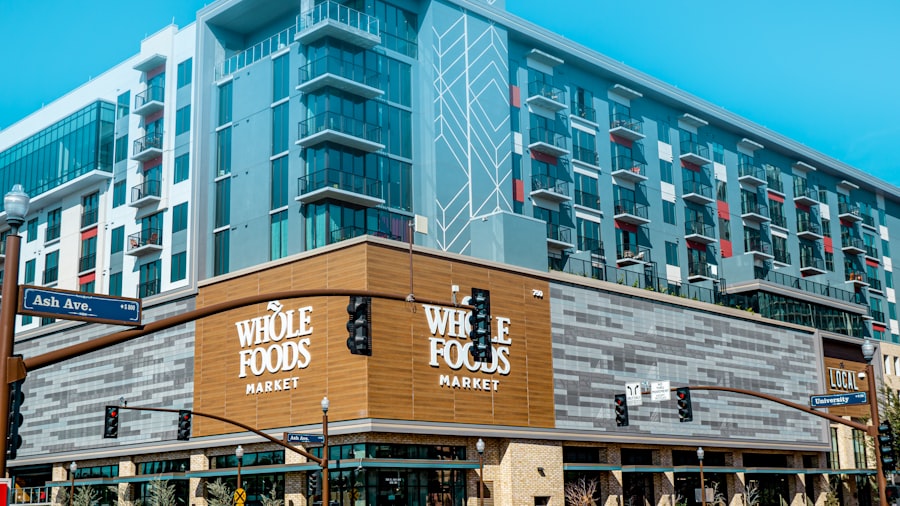
Beyond location and income potential, the physical attributes and condition of a commercial property play a crucial role in its valuation.
Building Age and Condition
- Structural Integrity: The fundamental condition of the building’s structure, including its foundation, walls, and roof, is paramount. Any signs of significant structural issues will drastically reduce value.
- Building Systems: The condition and efficiency of the building’s mechanical, electrical, and plumbing (MEP) systems are critical. Outdated or inefficient systems can lead to higher operating costs for tenants and future capital expenditure requirements for the owner.
- Deferred Maintenance: A property with a history of deferred maintenance will likely require significant capital investment to bring it up to modern standards, thus reducing its current market value.
- Aesthetics and Curb Appeal: The overall appearance of the building, including its façade, landscaping, and signage, contributes to its marketability and perceived value. A well-maintained and attractive property will generally attract higher rents and a better class of tenant.
Size, Layout, and Usability
- Gross Building Area (GBA) and Rentable Area (RA): The total square footage of the building and the usable space available for lease are fundamental metrics.
- Functional Layout: The efficiency and practicality of the building’s layout are crucial. For office buildings, this might mean the ability to create efficient workspaces. For retail, it’s about the flow and visibility of merchandise.
- Adaptability and Flexibility: The ability of the building to be adapted to different tenant needs or future market demands can add significant value.
- Parking Availability: Ample and convenient parking is a critical amenity for most commercial properties, especially retail and office spaces. Insufficient parking can be a significant deterrent.
- Loading Docks and Access (Industrial): For industrial properties, the number and accessibility of loading docks are essential for efficient operations.
Amenities and Features
- Tenant Amenities: The presence of desirable amenities can significantly enhance a property’s attractiveness. This might include on-site gyms, conference facilities, common areas, concierge services, or advanced security systems.
- Sustainability Features: Properties with energy-efficient systems, green building certifications (e.g., LEED), or other sustainable features are increasingly in demand and can command higher values and rents.
- Technology Infrastructure: High-speed internet connectivity, robust IT infrastructure, and modern telecommunications systems are essential for most businesses today.
- Specialized Features: Depending on the property type, specialized features can be critical. For example, a restaurant property would require a fully equipped commercial kitchen, and a medical office would need specific plumbing and electrical configurations.
The Broader Environment: Market Conditions and Economic Factors

The value of a commercial property is not set in a vacuum; it’s deeply influenced by the prevailing economic climate and broader market forces.
Economic Trends and Cycles
- Interest Rates: Interest rates have a direct impact on the cost of borrowing for acquisitions and development. Higher interest rates generally lead to higher capitalization rates (cap rates), which in turn can reduce property values.
- Inflation: Inflation can impact operating costs and rental income. The ability of leases to keep pace with inflation is a key consideration.
- Employment Rates: High employment rates indicate a strong economy and a greater demand for commercial space.
- Consumer Spending: For retail properties, consumer spending patterns are a critical indicator of performance and value.
- Industry Growth and Decline: The performance of key industries within a region directly affects the demand for their associated commercial real estate. For example, a boom in the tech sector will increase demand for office space.
Capital Markets and Investment Climate
- Availability of Financing: The ease with which investors can secure financing for commercial property acquisitions significantly influences market activity and pricing.
- Investor Sentiment and Risk Appetite: The overall sentiment of investors towards commercial real estate, and their willingness to take on risk, directly impacts demand and pricing.
- Capitalization Rates (Cap Rates): Cap rates are a key metric used in the income approach to valuation. They represent the ratio of a property’s net operating income (NOI) to its market value. Changes in market cap rates, driven by investor demand and risk perception, directly affect property values.
- Transaction Volume: A high volume of sales transactions in a market can indicate strong investor confidence and price discovery. Conversely, low transaction volume might suggest uncertainty or a lack of buyers.
Regulatory and Political Environment
- Taxation Policies: Property taxes, capital gains taxes, and other relevant tax policies can significantly influence the profitability and thus the value of a commercial property.
- Landlord-Tenant Laws: The legal framework governing landlord-tenant relationships can impact leasing strategies and the security of rental income.
- Building Codes and Environmental Regulations: Compliance with current building codes and environmental regulations is essential. Future changes in these regulations can also impact a property’s long-term value and potential for redevelopment.
- Political Stability: In some markets, political stability or instability can introduce a significant element of risk that impacts property values.
The Appraisal Process: Methodologies and Professional Judgement
| Factor | Description |
|---|---|
| Location | The proximity to amenities, transportation, and other businesses can significantly impact the value of a commercial property. |
| Size | The total square footage of the property, including both the building and the land, can affect its value. |
| Condition | The overall condition of the property, including the building’s age, maintenance, and any necessary repairs, can influence its value. |
| Market Trends | The current market conditions, such as supply and demand, interest rates, and economic growth, can impact the value of commercial properties. |
| Zoning and Regulations | The local zoning laws, building codes, and other regulations can affect the potential uses and value of a commercial property. |
| Tenant Quality | The quality and stability of the tenants leasing the property can influence its value, including their creditworthiness and lease terms. |
| Income Potential | The potential rental income and cash flow generated by the property can impact its value, including the lease rates and occupancy levels. |
Ultimately, the value of a commercial property is determined through a rigorous appraisal process, which employs various methodologies and relies on the professional judgment of a qualified appraiser.
The Three Approaches to Valuation
- The Sales Comparison Approach: This method involves comparing the subject property to similar recently sold commercial properties. Adjustments are made for differences in location, size, condition, amenities, and other relevant factors. This is often the most heavily weighted approach for properties with active markets.
- The Income Capitalization Approach: This approach focuses on the property’s ability to generate income. It involves estimating the net operating income (NOI) and then applying a capitalization rate (cap rate) or discount rate to arrive at a value. This is particularly crucial for income-producing properties like office buildings, retail centers, and apartment complexes.
- The Cost Approach: This method estimates the cost to replace the existing property with a new one of similar utility, less any accrued depreciation. This approach is often used for newer, special-purpose properties where comparable sales or income data may be limited.
The Role of Market Data and Comparables
- Identifying True Comparables: The accuracy of the sales comparison approach hinges on identifying truly comparable properties. This requires a deep understanding of the local market and the ability to discern subtle differences that impact value.
- Data Verification: Appraisers must verify the accuracy of sales data, lease terms, and operating expenses through various sources to ensure reliable analysis.
- Adjustments and Nuances: The art of appraisal lies in making appropriate and justified adjustments to comparable sales. These adjustments account for the unique characteristics of the subject property and the market.
Professional Judgement and Expertise
- Experience and Local Knowledge: A seasoned appraiser brings years of experience and intimate knowledge of the local market, including current trends, rental rates, and buyer behavior.
- Understanding of Market Trends: Appraisers must stay abreast of economic trends, industry shifts, and regulatory changes that can impact property values.
- Ethical Considerations: Professional appraisers adhere to strict ethical guidelines, ensuring impartiality and objectivity in their valuations.
- Purpose of the Appraisal: The intended use of the appraisal (e.g., for financing, sale, taxation, estate planning) can influence the scope and focus of the report, but not the fundamental valuation principles.
In conclusion, the value of a commercial property is a dynamic equation influenced by a complex interplay of factors. From the foundational importance of its location to its income-generating potential, physical characteristics, broader economic forces, and the meticulous application of appraisal methodologies, each element contributes to the final valuation. As a property appraisal coach, I emphasize that a comprehensive understanding of these drivers is not just beneficial for appraisers but for anyone involved in the commercial real estate market. By thoroughly considering these aspects, stakeholders can make informed decisions, mitigate risks, and ultimately achieve their investment and business objectives.